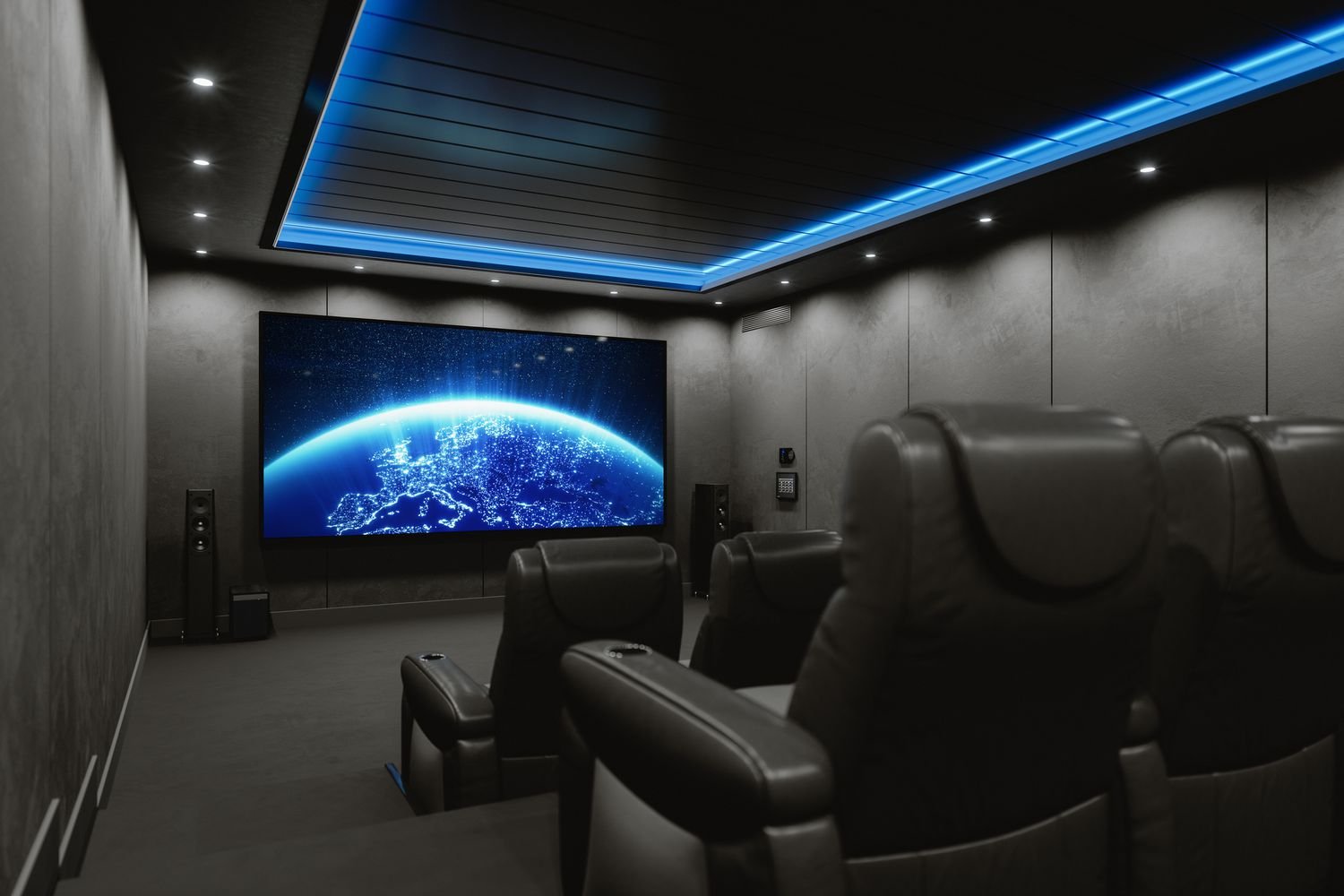
Creating a home theater might sound like a huge project, but once you break it into steps, you’ll see it’s more doable than you’d think. In fact, once you understand how to create a home theater effectively, you’ll realize that design, equipment, and setup all work together to deliver that coveted cinematic feeling. This guide will walk you through every angle—from choosing the right room to optimizing acoustics—so you can confidently build a powerful entertainment space you’ll love for years.
Understanding the Core Elements of a Home Theater Setup
A well-designed home theater begins with a thorough understanding of what makes the system work. It isn’t just about a massive screen or booming speakers; it’s about the harmony of visuals, sound, and layout. When you master the core components, every decision becomes much easier.
The Role of Visual Components
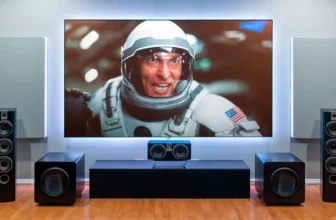
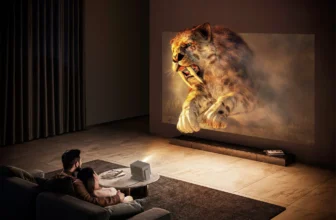
Your display is the centerpiece. Whether you choose a projector or TV, the goal is crisp resolution, vivid color, and minimal lag. Projectors offer that traditional cinema vibe, while TVs deliver reliability, brightness, and lower maintenance. In the end, you’ll want something that suits your budget and your lighting environment.
Sound System Requirements
The audio is where the magic truly happens. A good sound system should make you feel movement, tension, and emotion just like you would in a commercial theater. You might go with:
- 5.1 surround sound
- 7.1 surround sound
- Dolby Atmos systems
- Soundbars with rear speakers
Regardless of your choice, clarity and channel separation matter most.
Room Layout Impact
Even the best equipment won’t shine in a poorly arranged room. Placement affects echo, brightness, shadow distribution, and how sound bounces. If you want deep immersion, layout isn’t optional—it’s foundational.
Planning Your Home Theater Space
Before buying equipment, you need to plan. Picking the right room and making small structural adjustments will save you money and maximize performance.
Choosing the Right Room
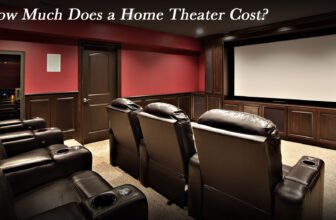
You don’t need a huge room—but the right dimensions help. Ideal rooms are rectangular, have limited windows, and allow you to control lighting easily. Basements are often perfect because they’re naturally insulated and dark.
Soundproofing Essentials
Soundproofing ensures your movie time doesn’t disturb others, and external noise doesn’t ruin your immersion. Techniques include:
- Adding insulation
- Using acoustic caulk
- Installing weatherstripping
- Sealing door gaps
- Adding heavy curtains
These simple changes dramatically improve sound quality.
Lighting Considerations
Lighting can make or break the cinematic mood. You’ll want:
- Dimmable LED lights
- Backlit strips behind screens (bias lighting)
- Wall sconces
Controlling brightness reduces eye strain and enhances contrast.
Essential Equipment for a High-Performance Home Theater
Once your room is ready, it’s time to gather the necessary equipment. You don’t need to break the bank, but you should invest wisely for long-term performance.
Projector vs. TV
When deciding between a projector and a television, consider:
Choose a Projector if:
- You want a large screen (100 inches+)
- You control the room lighting
- You want a theater-like aesthetic
Choose a TV if:
- You prefer bright images
- You want low maintenance
- You use the room for gaming or sports
Modern OLED TVs offer stunning black levels, while 4K projectors provide huge visuals without distortion.
Home Theater Audio Options
Your audio system will probably use one of these formats:
| Format | Description |
|---|---|
| 5.1 | Standard surround with one subwoofer |
| 7.1 | More rear channels for richer immersion |
| Dolby Atmos | Height channels for 3D audio |
| Soundbar | Simple setup with decent clarity |
Atmos is ideal if you want the most modern experience.
Streaming Devices and Media Players
To access content easily, consider:
- Roku
- Apple TV
- Nvidia Shield
- Blu-ray players
Streaming devices offer apps, while Blu-ray players provide high-bitrate content that preserves quality.
Designing the Perfect Layout
Once you have your equipment, it’s time to arrange it properly. Good layout design ties everything together.
Seating Arrangements
Distance from the screen depends on its size. General rule:
- 1.5 times the screen height for TVs
- 1.2–1.5 the diagonal size for projectors
Recliners or tiered seating make your theater feel premium.
Sound Positioning Guidelines
For best audio:
- Front speakers at ear level
- Center speaker directly under or above the display
- Surround speakers behind or beside the main seating
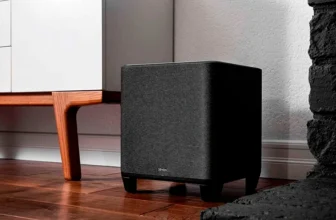
- Subwoofer placed near a wall but not in a corner
Correct placement enhances cinematic depth.
Cable Management
Clean cable routing improves safety and aesthetics. Use:
- Cable sleeves
- Wall conduits
- Under-carpet channels
- Zip ties
Clean wiring also reduces signal noise.
Optimizing Acoustics for Maximum Immersion
Even with top equipment, bad acoustics can ruin the experience. Luckily, you can optimize your space fairly easily.
Acoustic Panels
Place panels behind speakers and on reflection points. They reduce echo and clean up dialogue clarity.
Bass Traps and Diffusers
Bass traps reduce low-frequency rumble, while diffusers scatter sound waves to prevent dead zones.
Carpet and Furniture Impact
Soft surfaces absorb sound, improving warmth and clarity. A carpeted floor and cushioned seating make a noticeable difference.
Smart Home Integration for Modern Home Theaters
Modern home theaters benefit from smart controls that simplify the entire experience.
Voice Control
Pair systems with:
- Alexa
- Google Assistant
- Siri
You can control lighting, volume, and playback hands-free.
Automated Lighting
Smart bulbs let you create presets like:
- “Movie mode”
- “Intermission”
- “Gaming mode”
Automation helps maintain ambiance effortlessly.
Smart Remotes
Devices like Logitech Harmony consolidate all remotes into one intuitive controller.
Frequently Asked Questions
1. How much does it cost to create a home theater?
It depends on your equipment choices, but a good setup typically ranges from $800 to $10,000.
2. Can I build a home theater in a small room?
Absolutely. Compact rooms often deliver better acoustics and easier lighting control.
3. Do I need a 4K projector?
Not always—but 4K enhances clarity, especially on screens above 100 inches.
4. Should I choose a soundbar or a full surround system?
Soundbars are easier to install, while full surround systems deliver superior immersion.
5. What’s the ideal screen size?
Choose a size that fills your field of view without causing eye strain—usually 80–120 inches.
6. Is soundproofing necessary?
Highly recommended—it boosts sound quality and prevents noise leakage.
For additional home theater design concepts, you can also explore resources like Home Theater Academy:
https://hometheateracademy.com
Conclusion
Learning how to create a home theater step-by-step helps you avoid expensive mistakes and ensures you get the immersive, cinema-level quality you’re aiming for. With proper planning, thoughtful equipment choices, smart layout design, and acoustic optimization, you can transform any room into a powerful entertainment space. Whether you’re building a budget setup or a premium theater, the principles remain the same: balance visuals, sound, and comfort. Once everything comes together, your home theater becomes a space where memories, entertainment, and relaxation flourish.